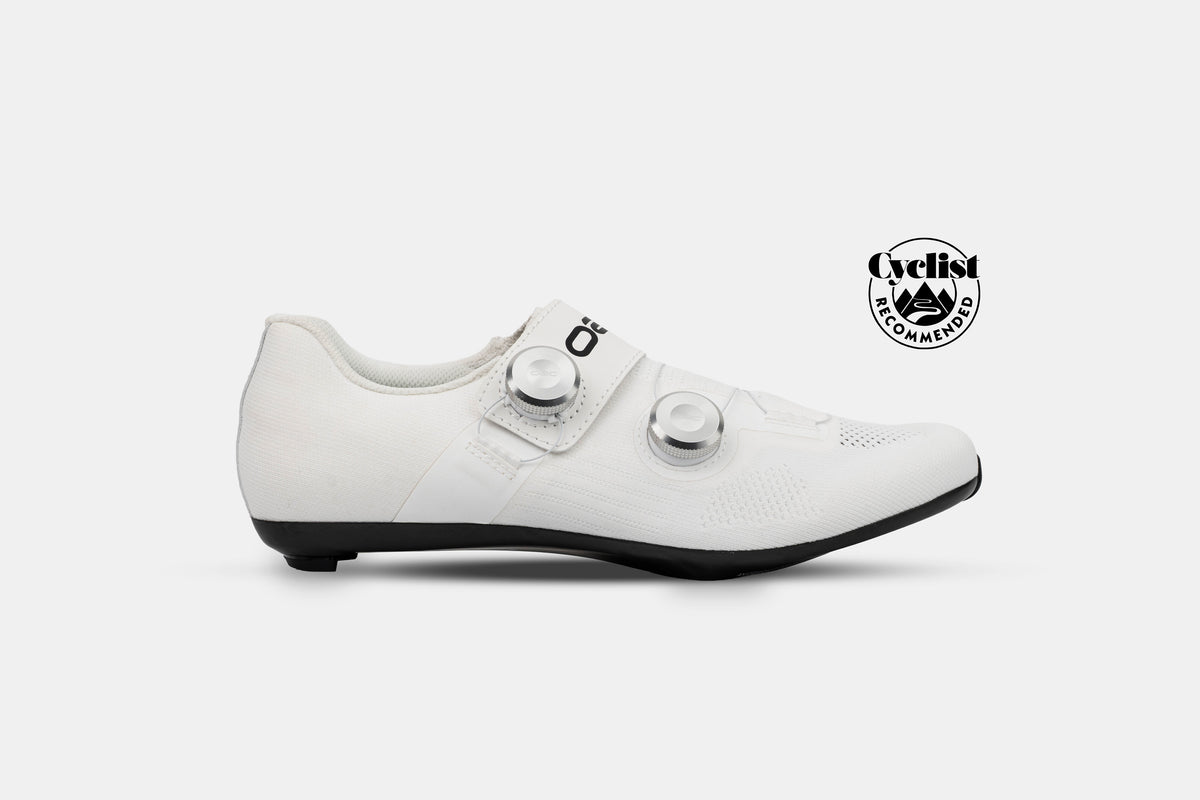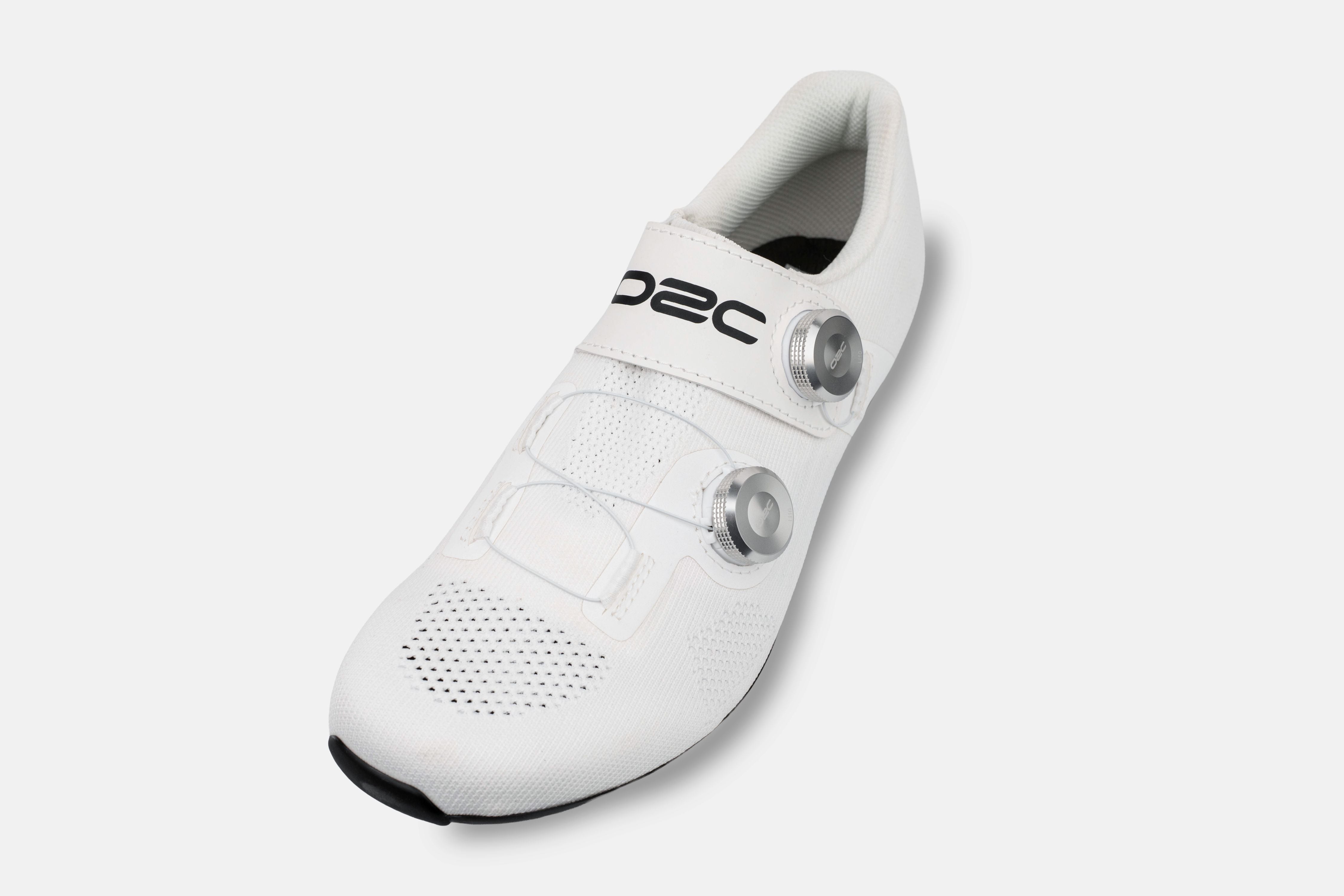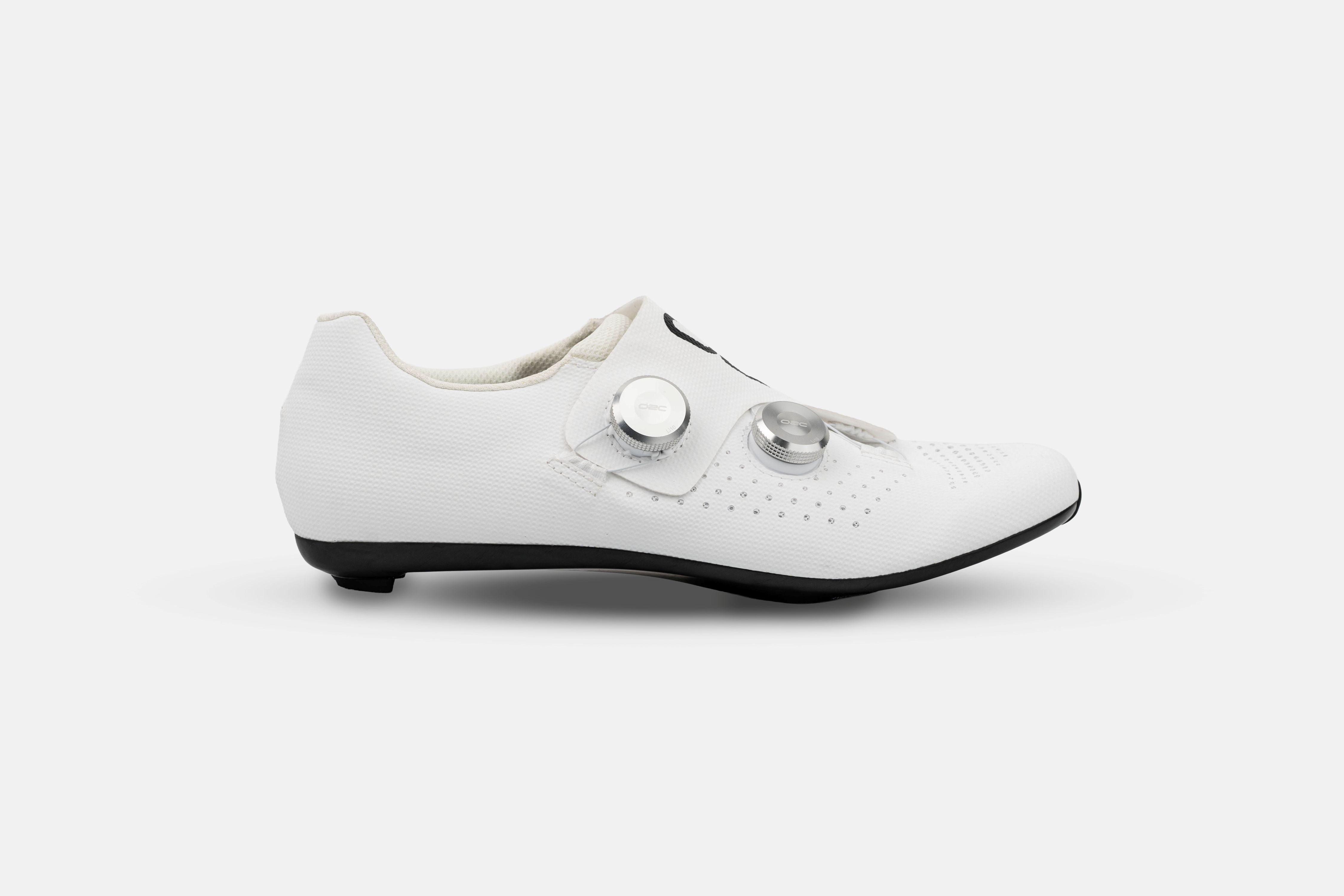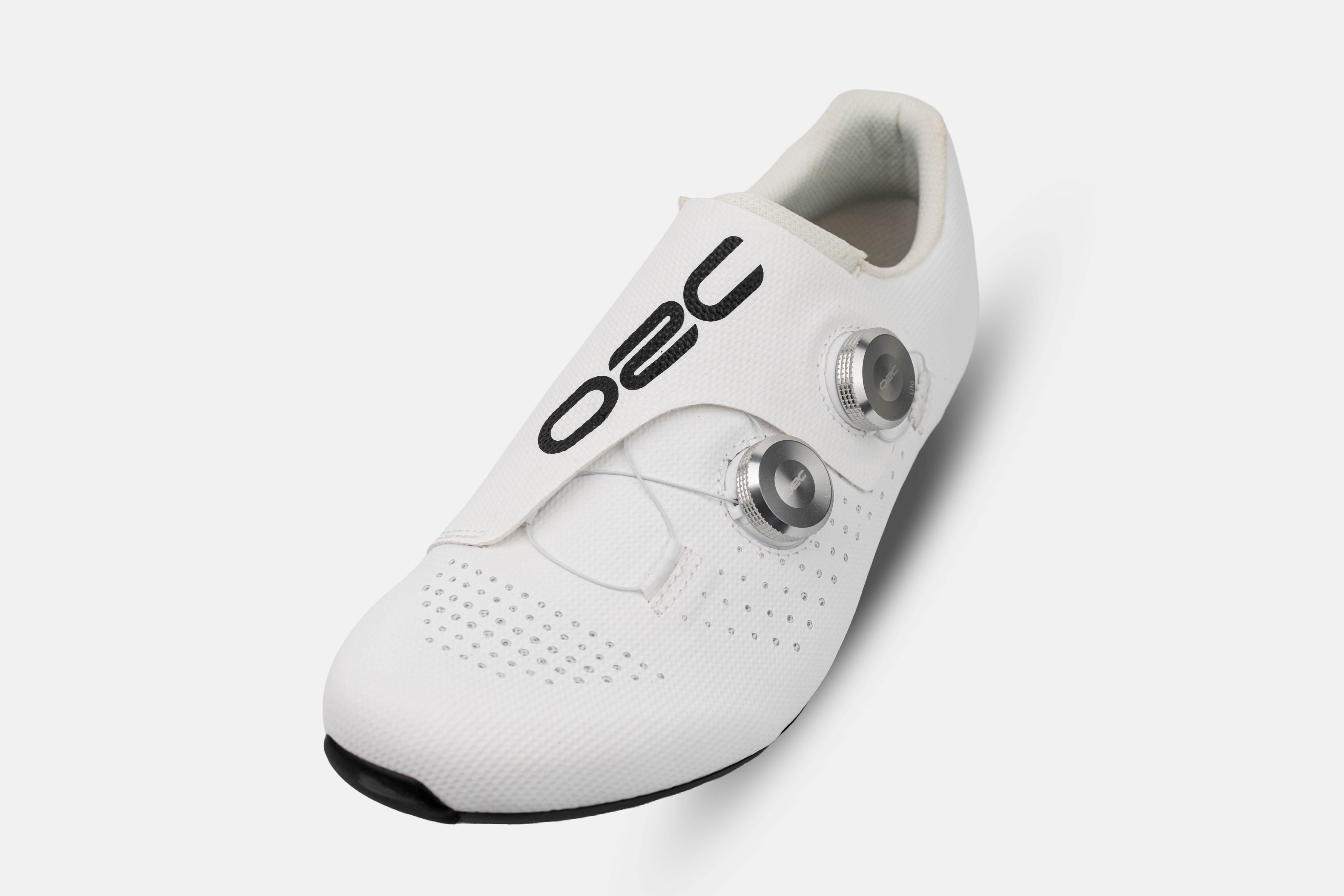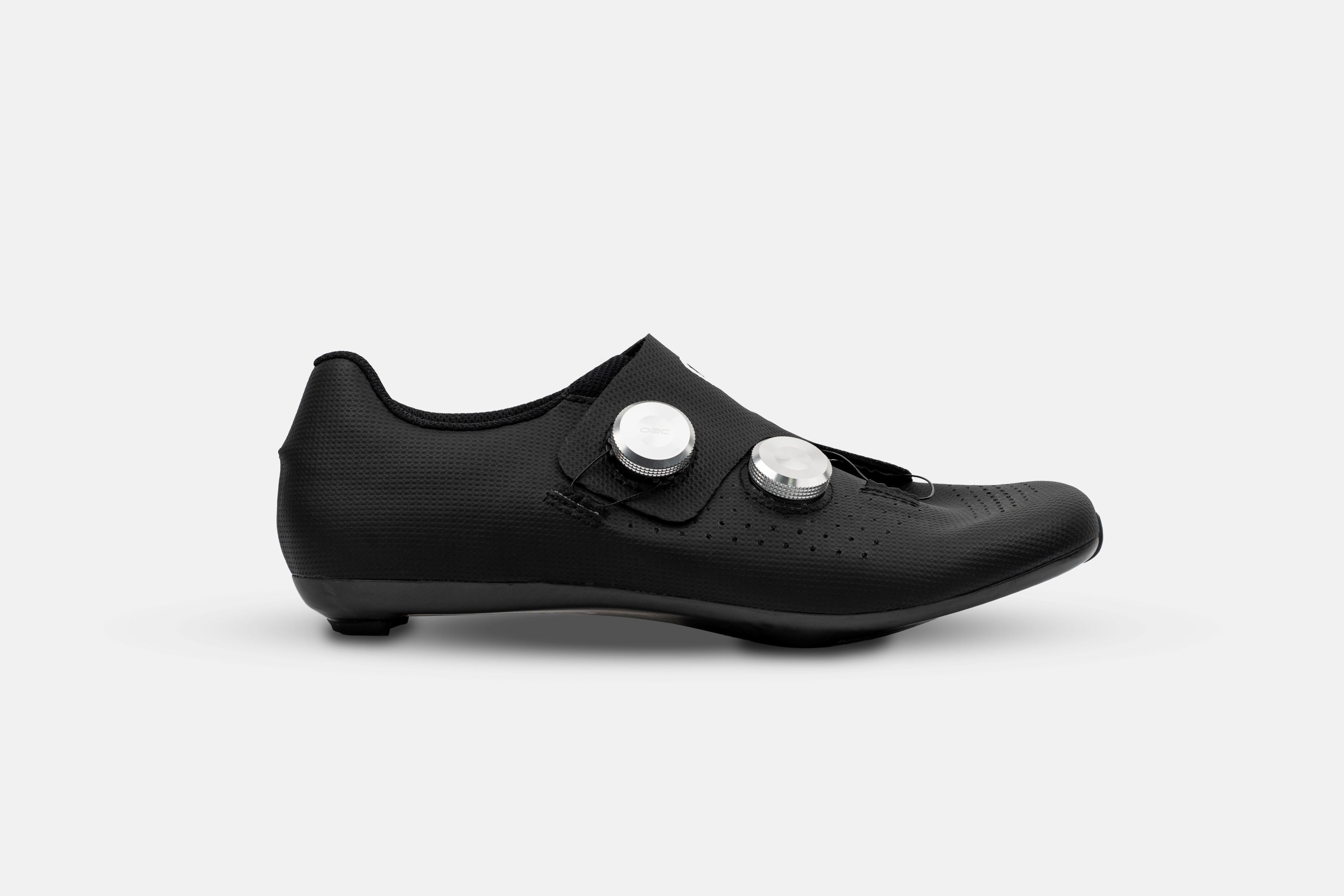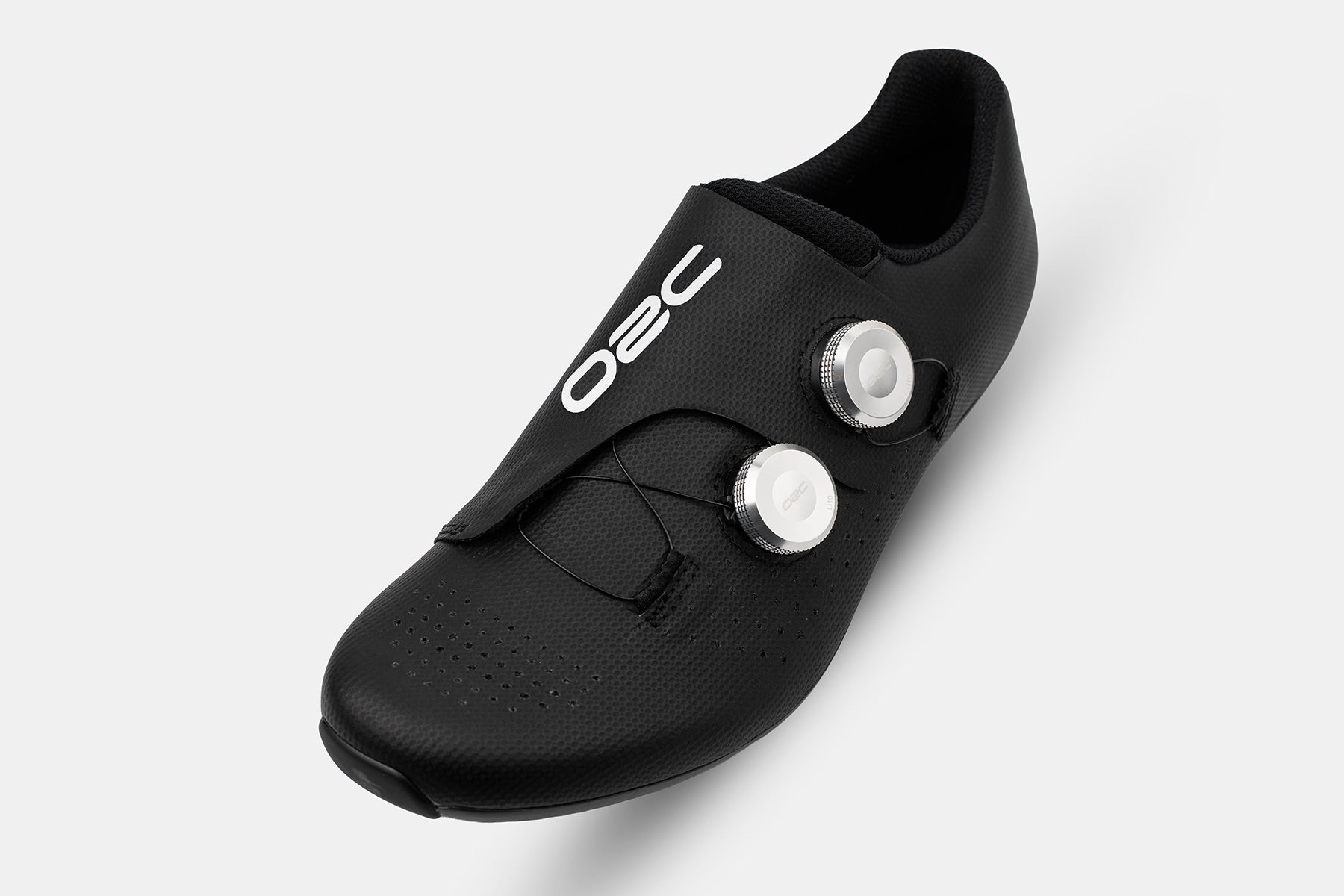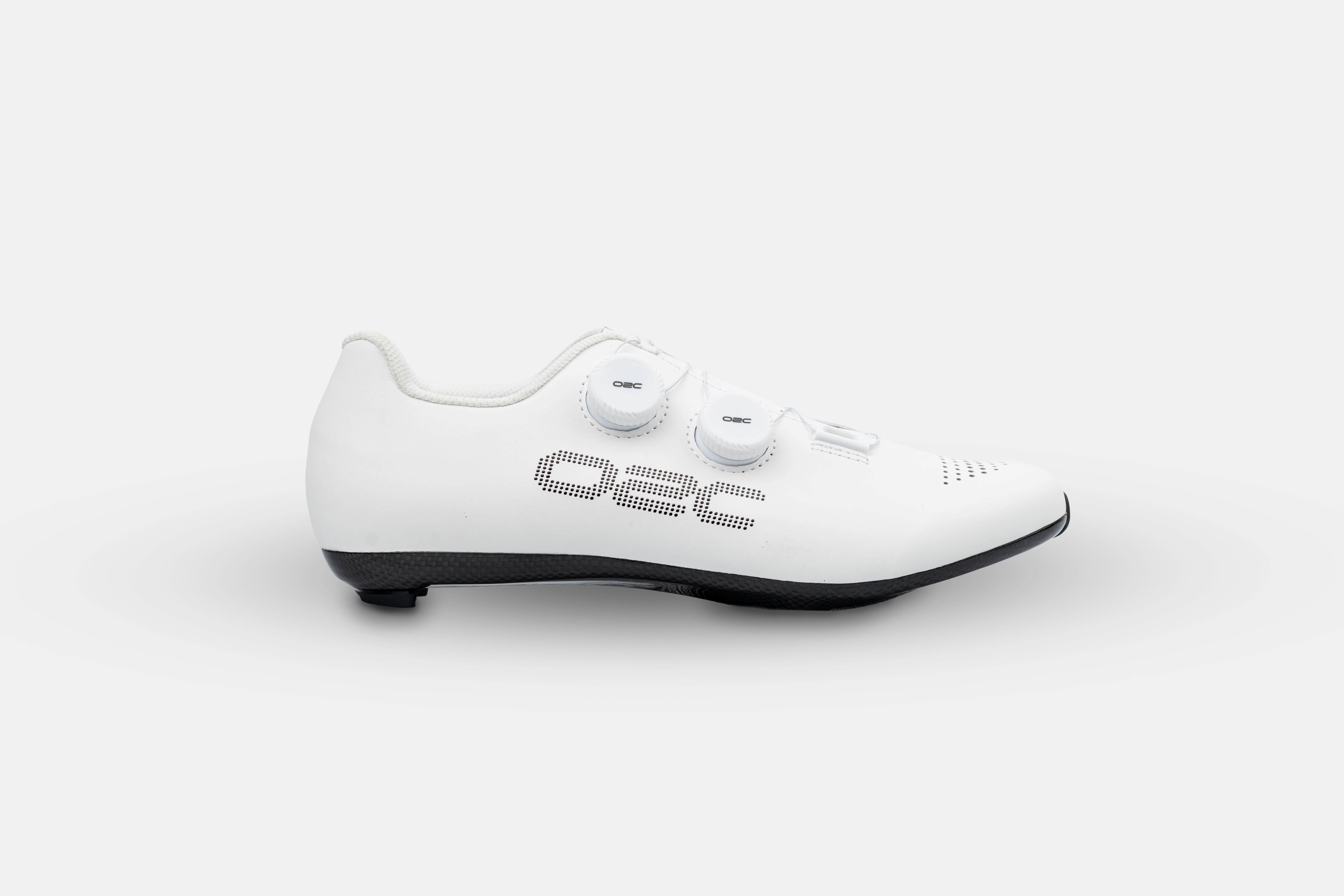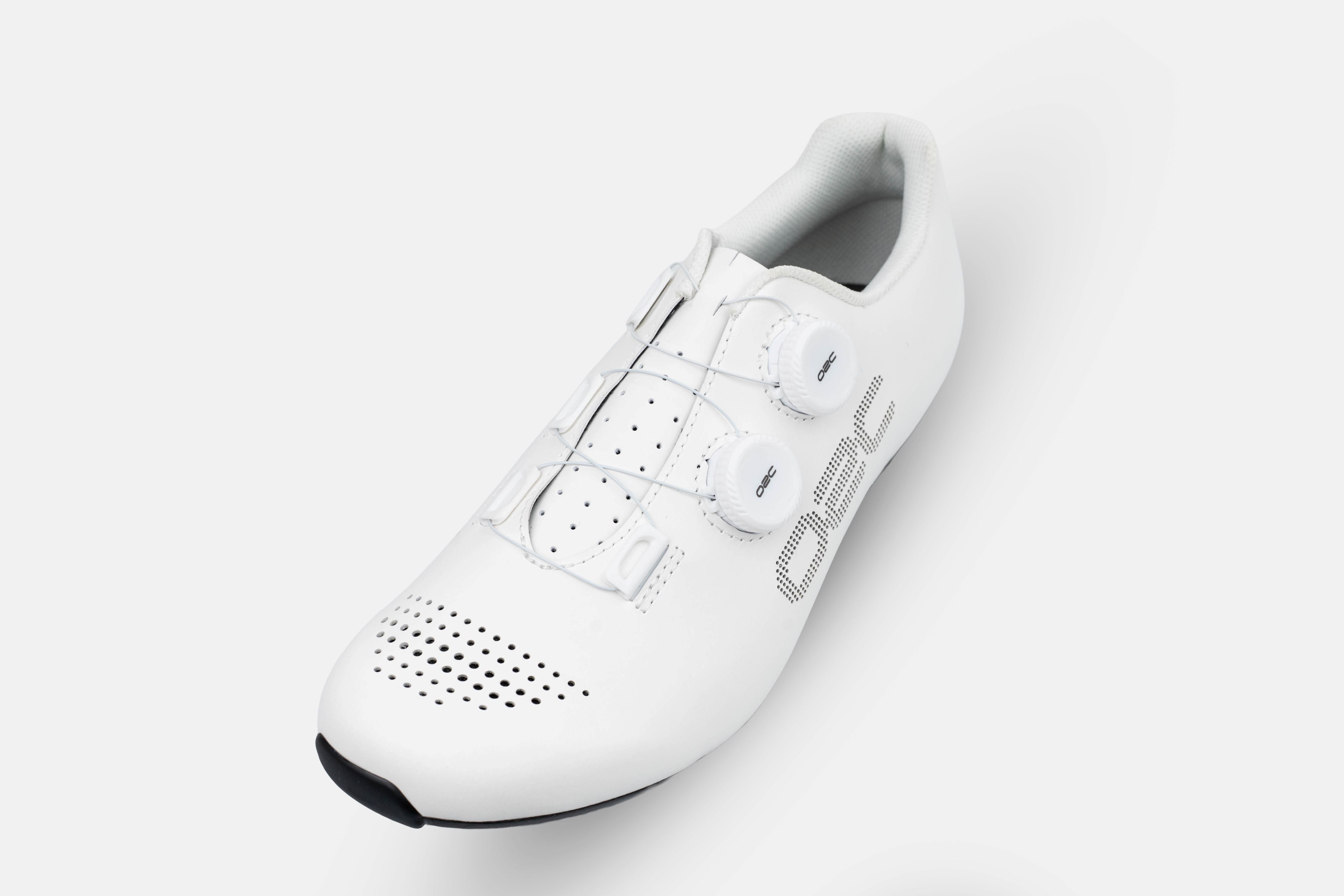


built around the foot. not tradition.
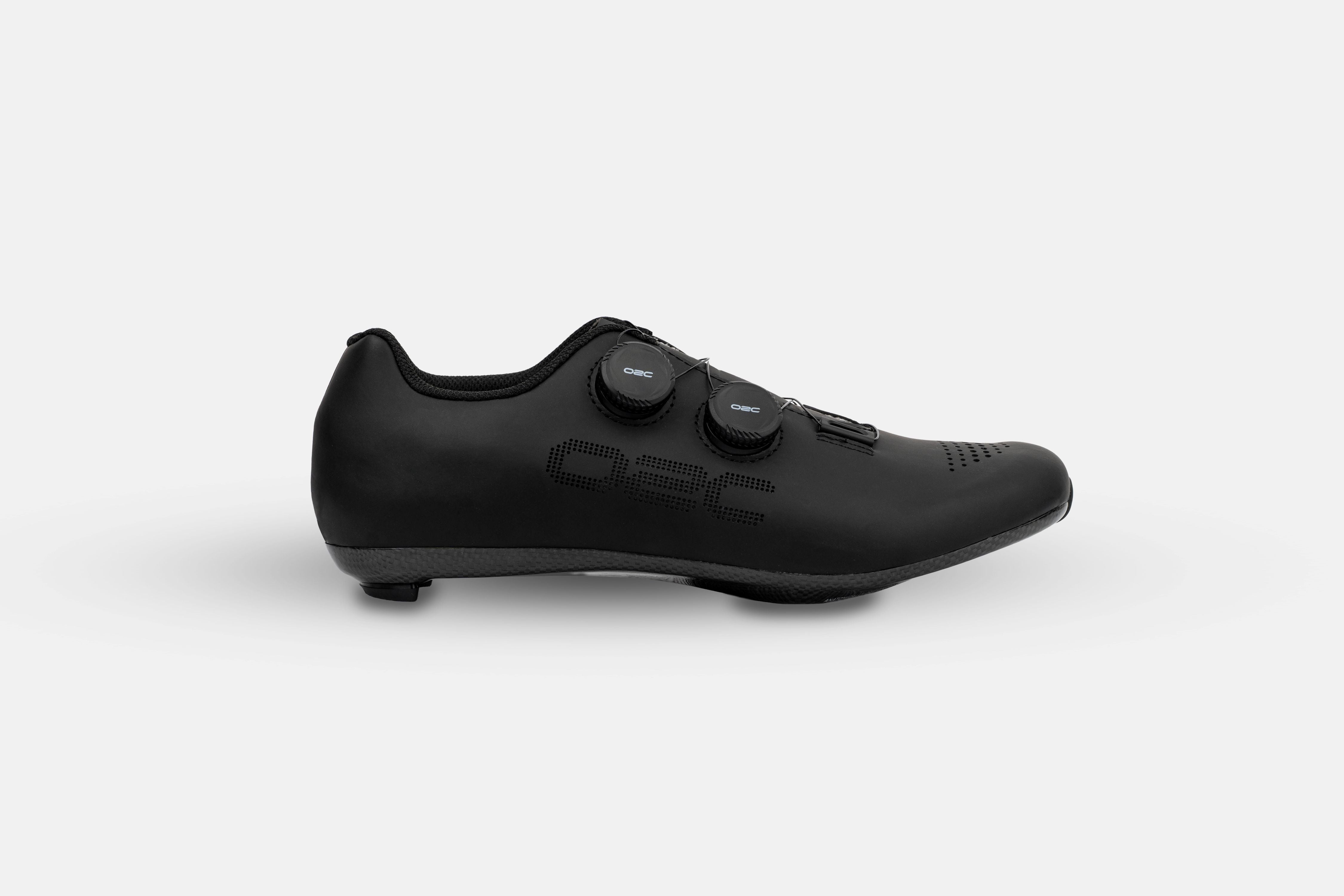
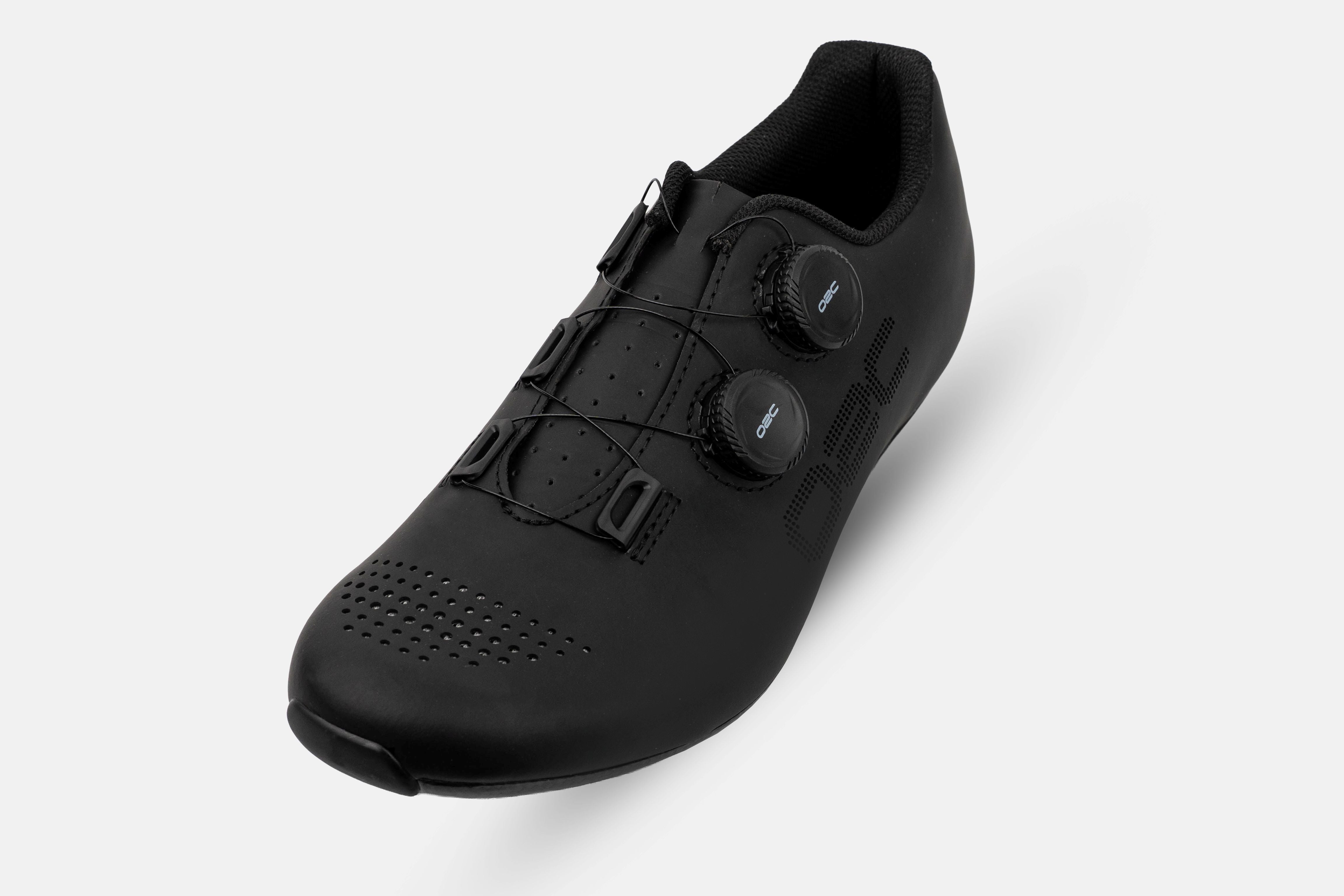
Our shoes are built from the ground up around the realities of human biomechanics—not tradition, not fashion. Every element of the system, from heel cup to toe box, carbon platform to cleat position, is engineered to stabilise the foot, preserve natural alignment, and eliminate wasted movement under load.
The result is a shoe that doesn’t fight the rider’s anatomy, but works with it—delivering more consistent power transfer, greater efficiency, and lasting comfort across long, high-intensity efforts.
This is not stiffness for its own sake. It’s structure with purpose: supporting the foot where it needs control, allowing freedom where it needs movement, and creating a direct, stable connection between rider and drivetrain.
Anatomy, Aligned.Performance, Optimised.
Our principles of creating anatomically correct cycling shoes
Heel Cup Design
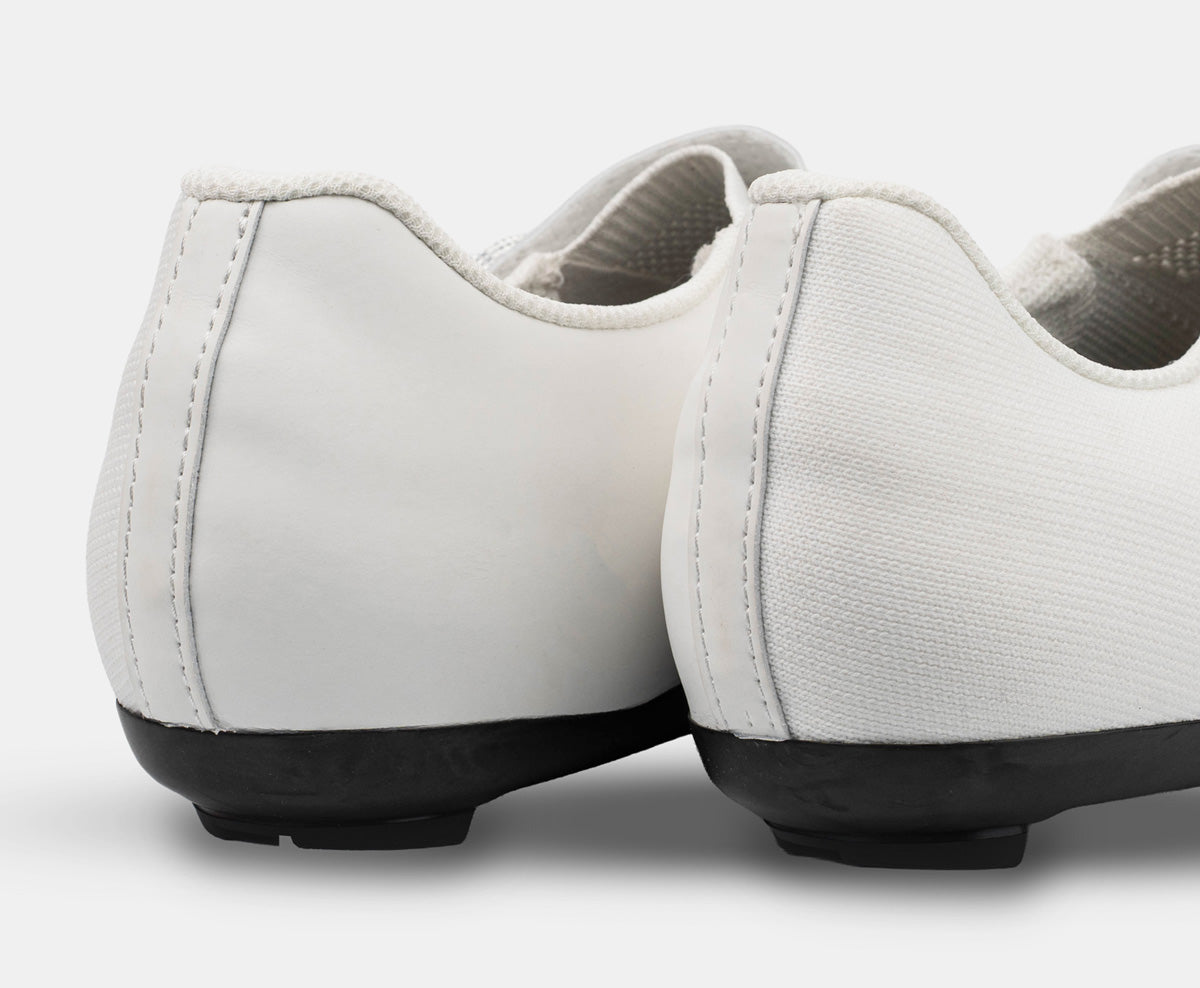
The heel anchors every pedal stroke, yet many shoes allow rearfoot movement under load. Our anatomically shaped heel cup securely cradles the calcaneus to reduce lateral movement and maintain alignment—improving power transfer, minimising heel lift, and enhancing long-ride comfort.
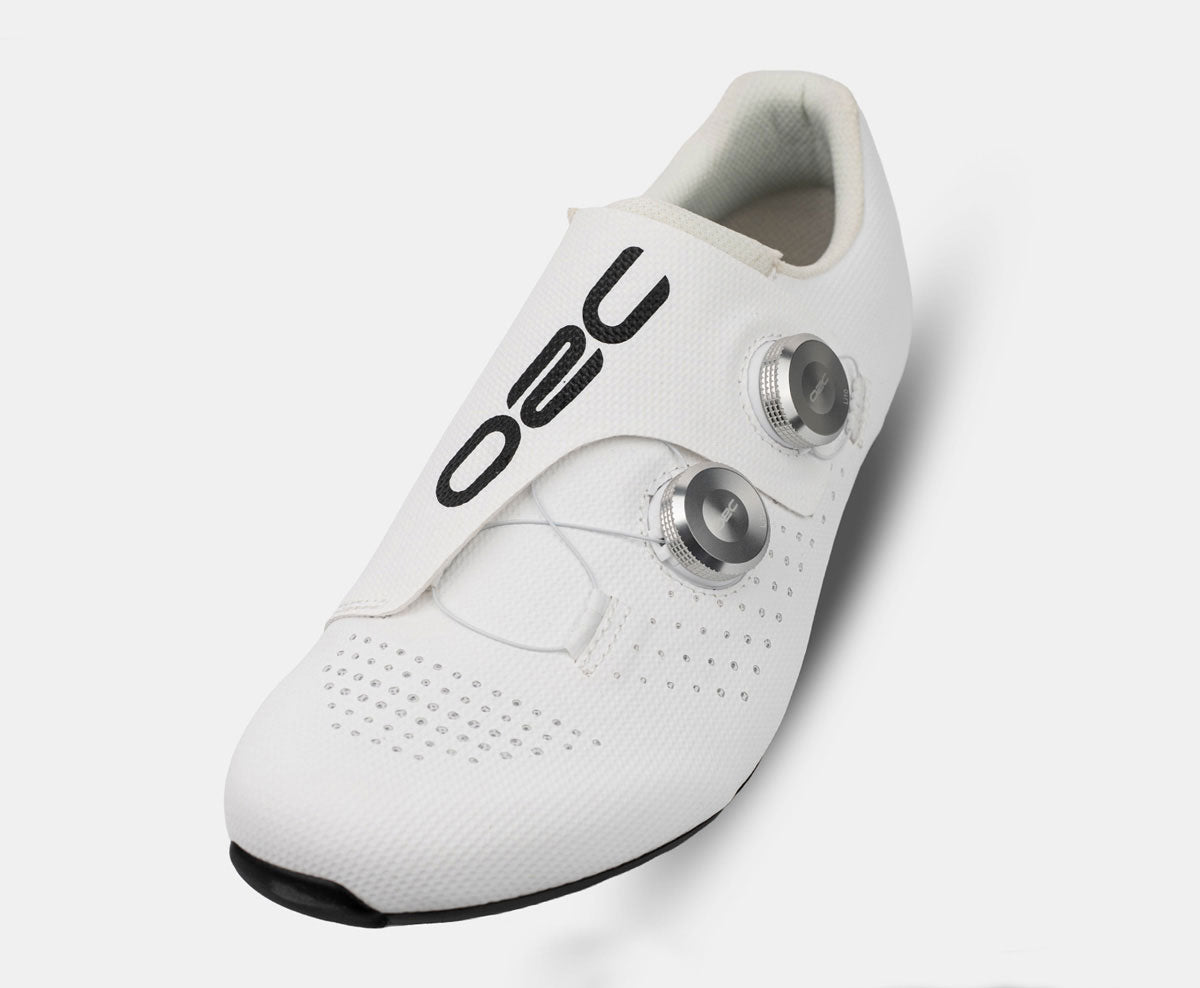
Last Construction Philosophy
Most cycling shoes prioritise aesthetics over anatomy, compromising fit and alignment. Our shoes are built on a true anatomical last shaped to natural foot biomechanics, delivering balanced pressure distribution, proper alignment, and a secure fit without compression.
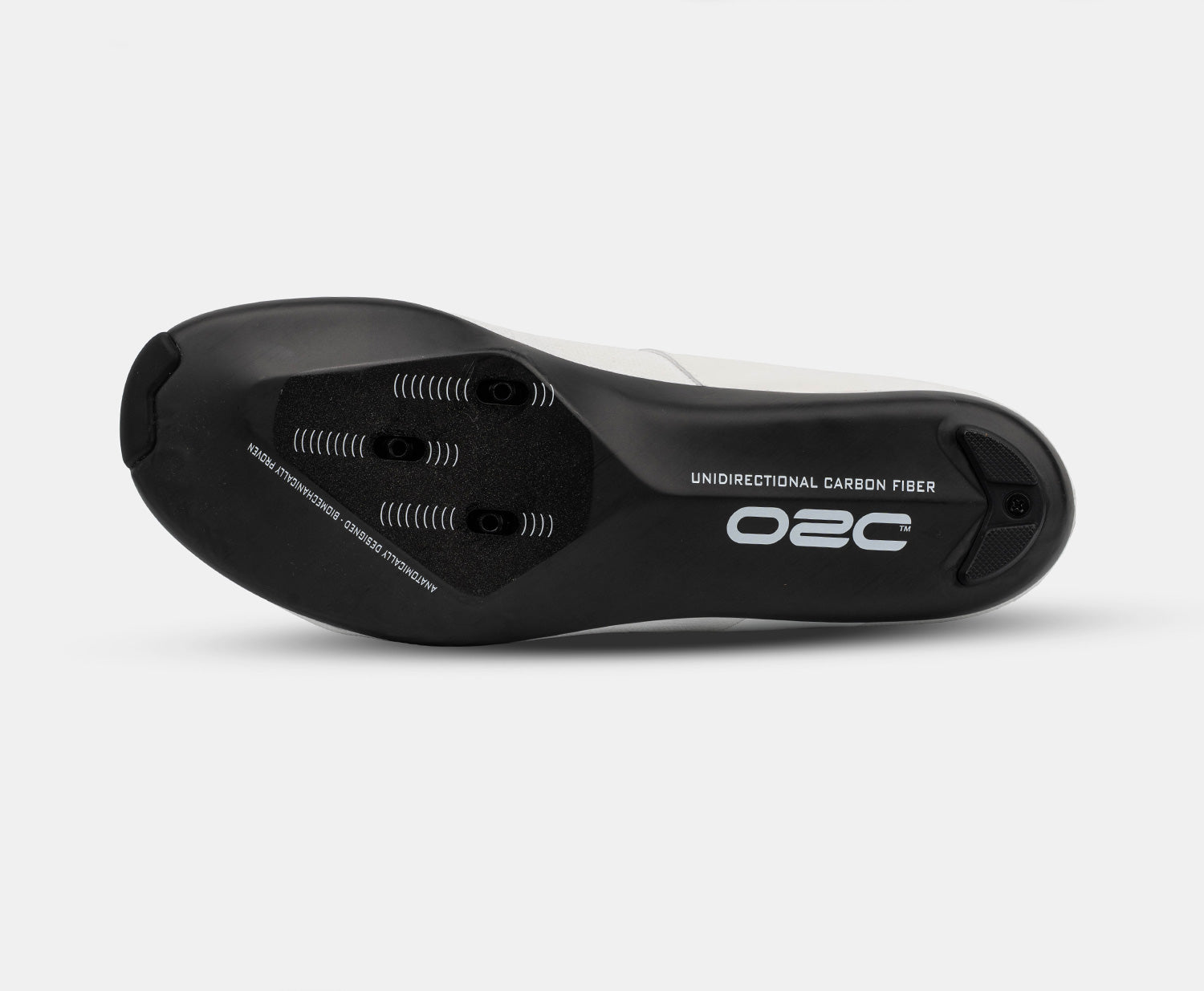
Carbon Sole Platform (ARC)
Our ARC platform uses precision-layered Toray carbon fibre to deliver exceptional stiffness, durability, and efficiency. Load-specific fibre orientation controls rigidity and torsional stability, while an anatomical sole shape and low stack height improve leverage, stability, and responsiveness.
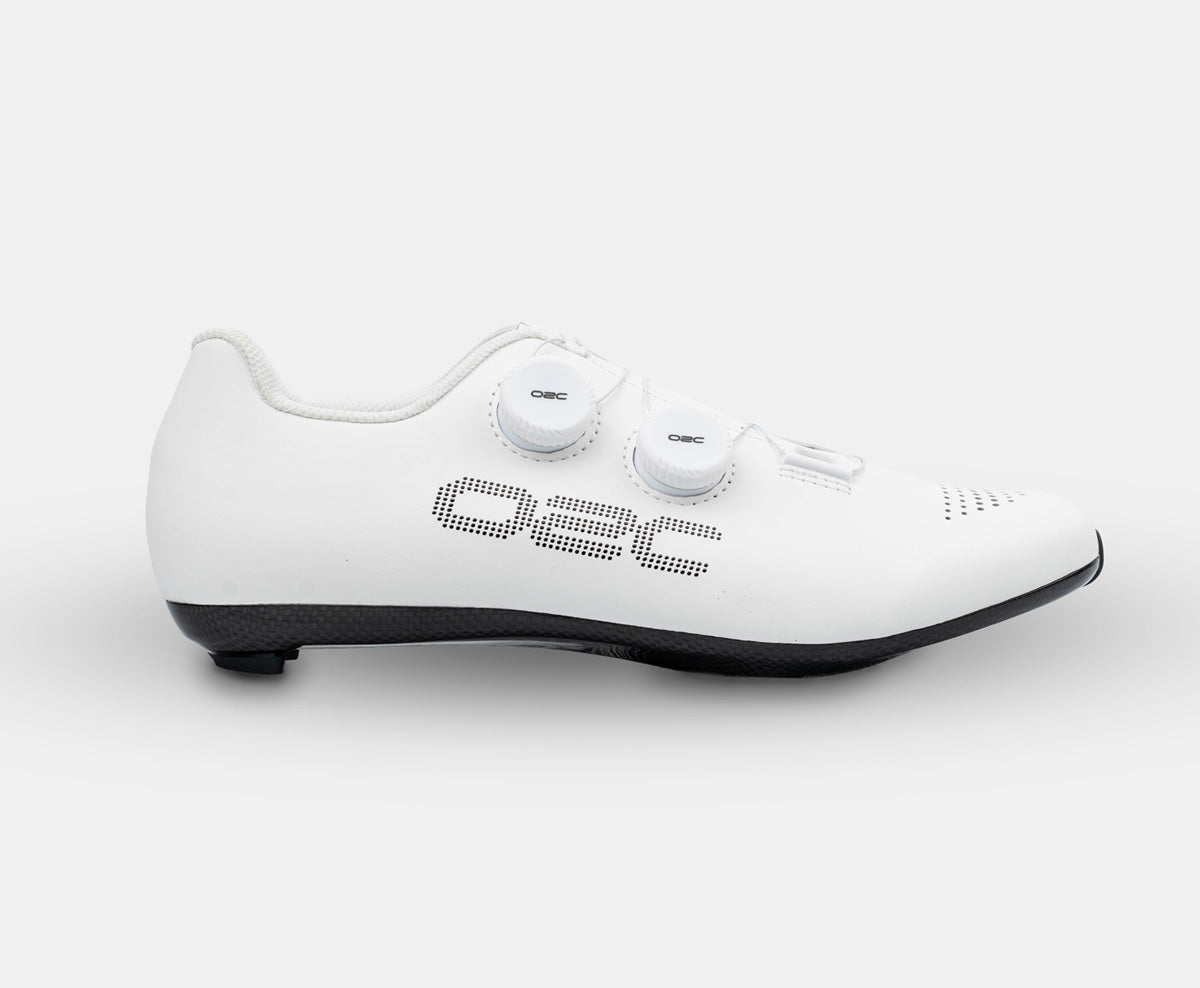
Midfoot Stability Design
Targeted midfoot reinforcement stabilises the foot where collapse is most likely under load. By controlling excessive pronation and rotational movement, the system preserves alignment and ensures efficient force transfer—delivering greater stability and sustained power over long efforts.
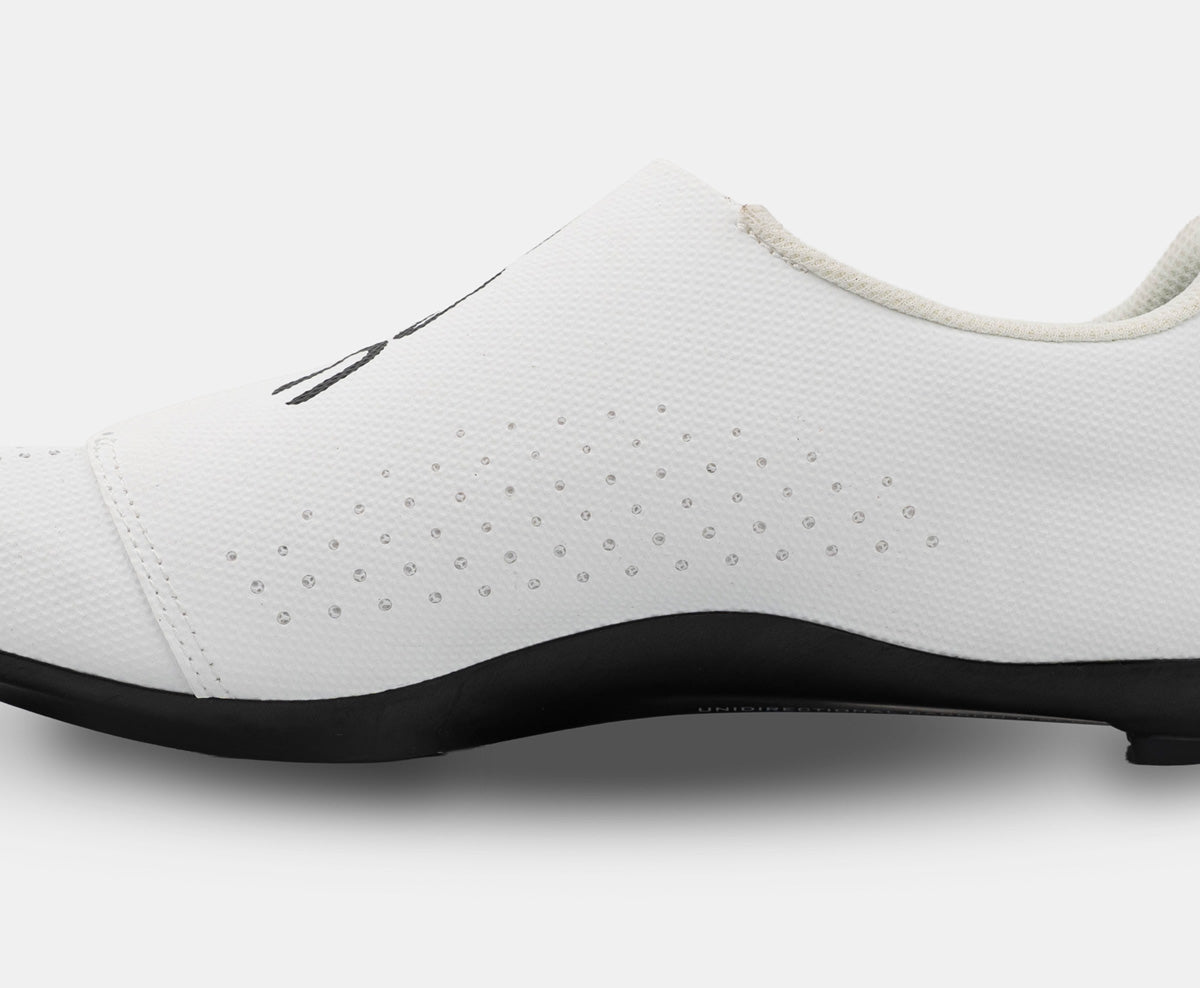
Arch Support System (Medial & Transverse)
Dual arch support stabilises both medial and transverse arches, maintaining neutral alignment during the power phase. This reduces plantar strain, improves load distribution, and enhances pedalling efficiency under sustained output.
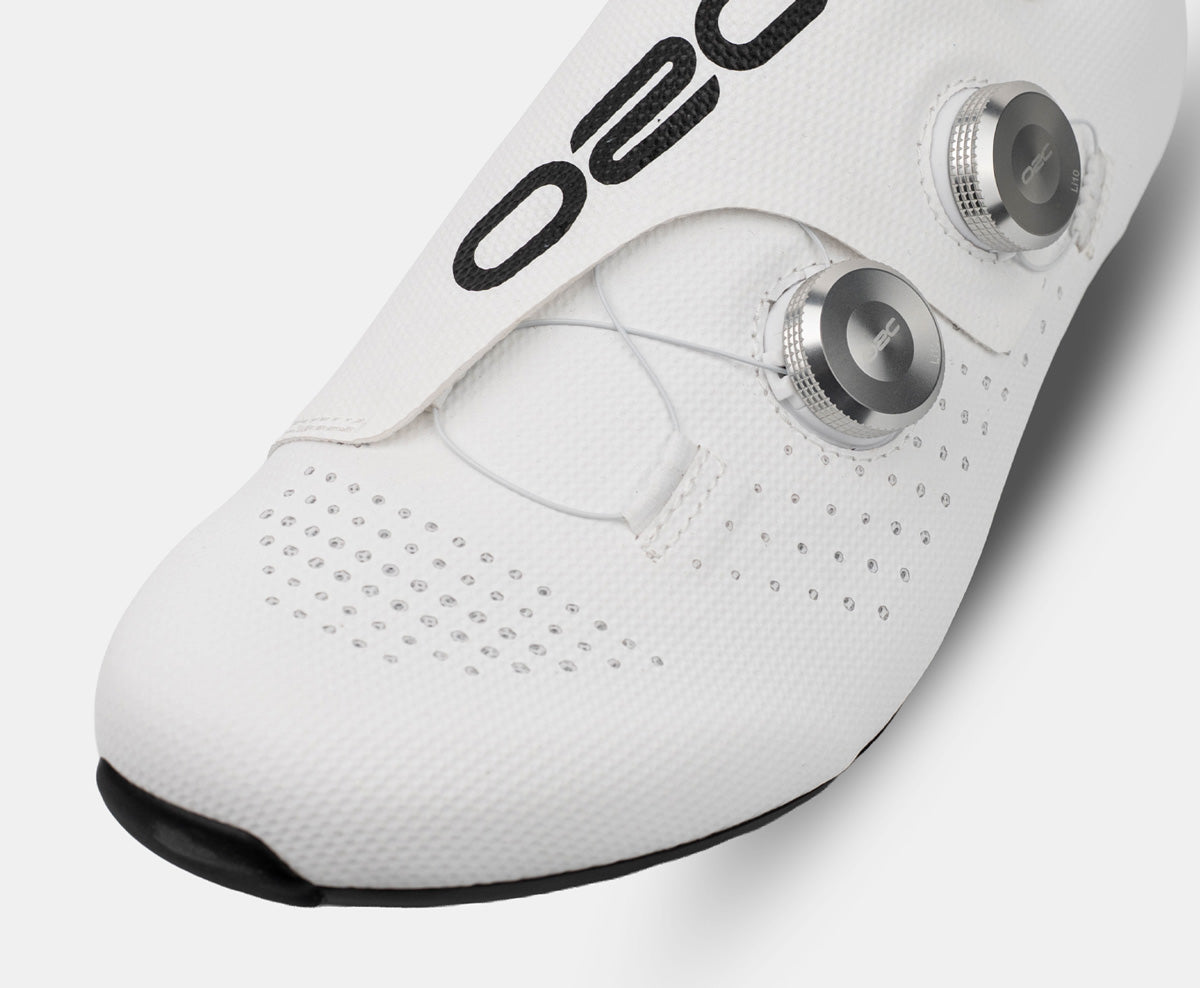
Toe Box Shaping
The toe box follows the natural metatarsal parabola to allow functional toe splay and reduce forefoot compression. This increases contact area, improves load distribution, and helps prevent nerve irritation and hot spots.
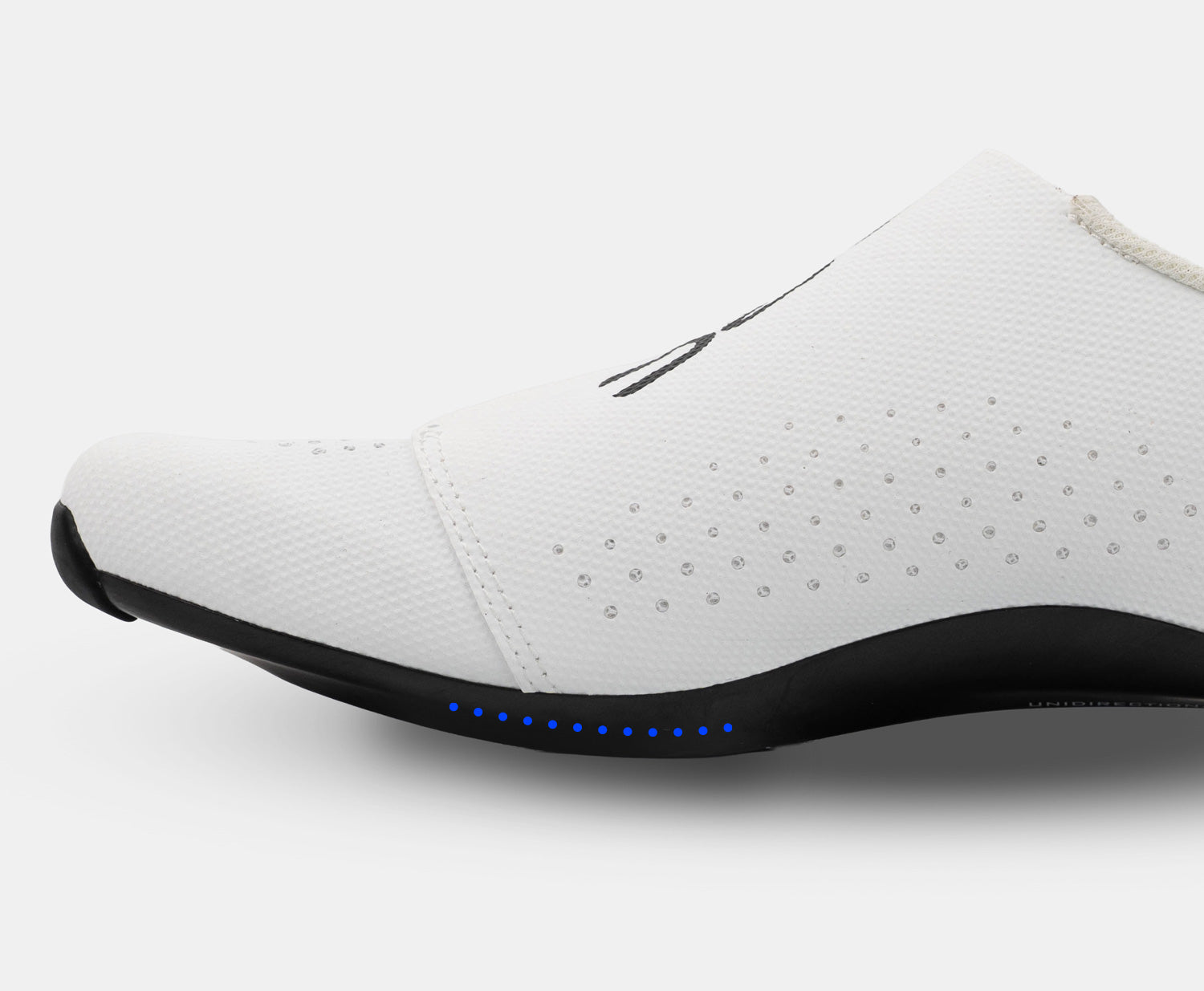
Low Stack Height
A reduced stack height positions the foot closer to the pedal spindle, shortening the kinetic chain and improving mechanical efficiency. This limits unnecessary ankle movement and delivers smoother, more consistent power across all cadences.
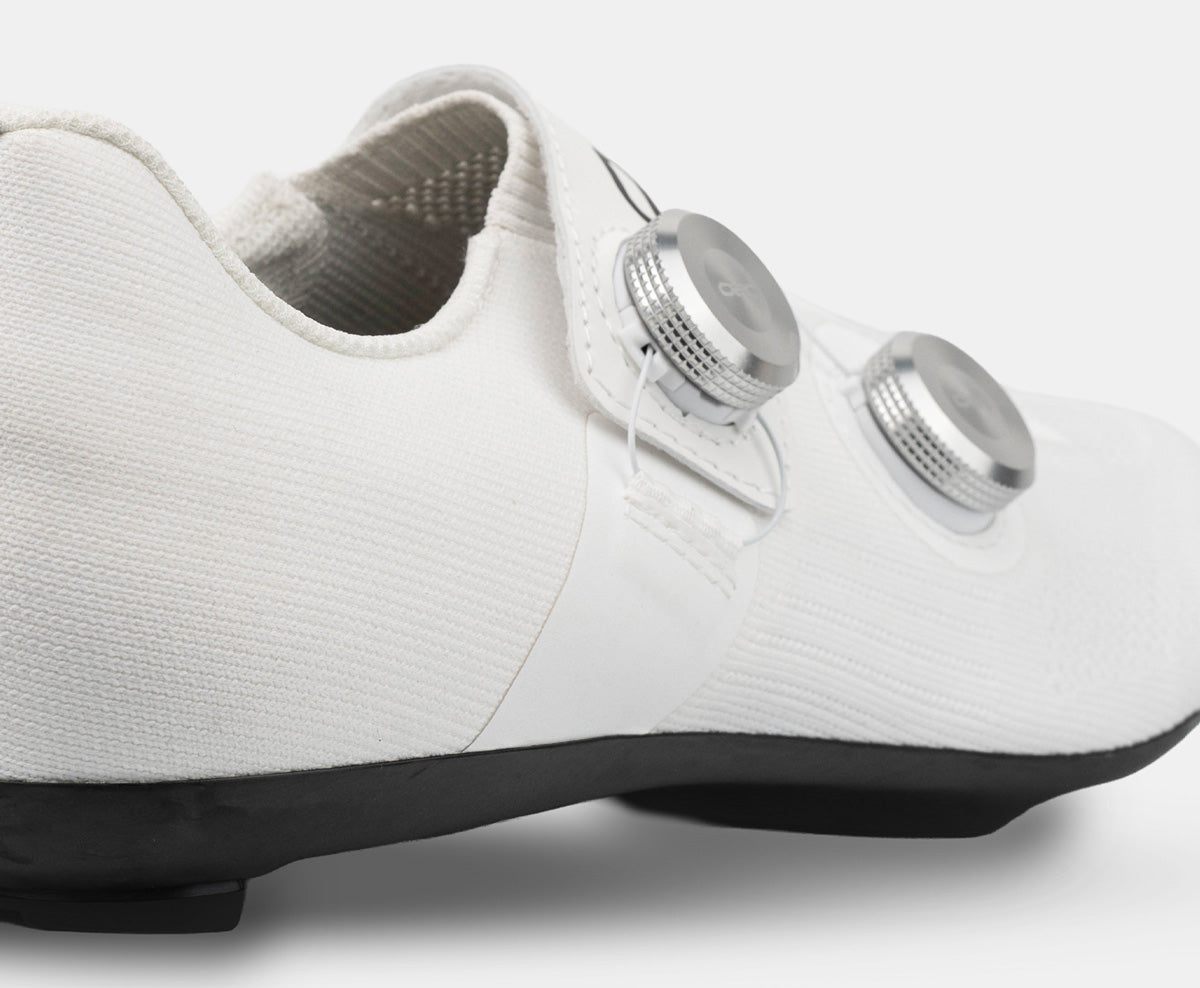
Foot Cradle & Wrap Construction
Our wrap construction follows the foot’s natural contours, anchoring the heel and supporting the midfoot while distributing pressure evenly. The result is a secure, stable fit that moves with the foot without restricting natural motion.
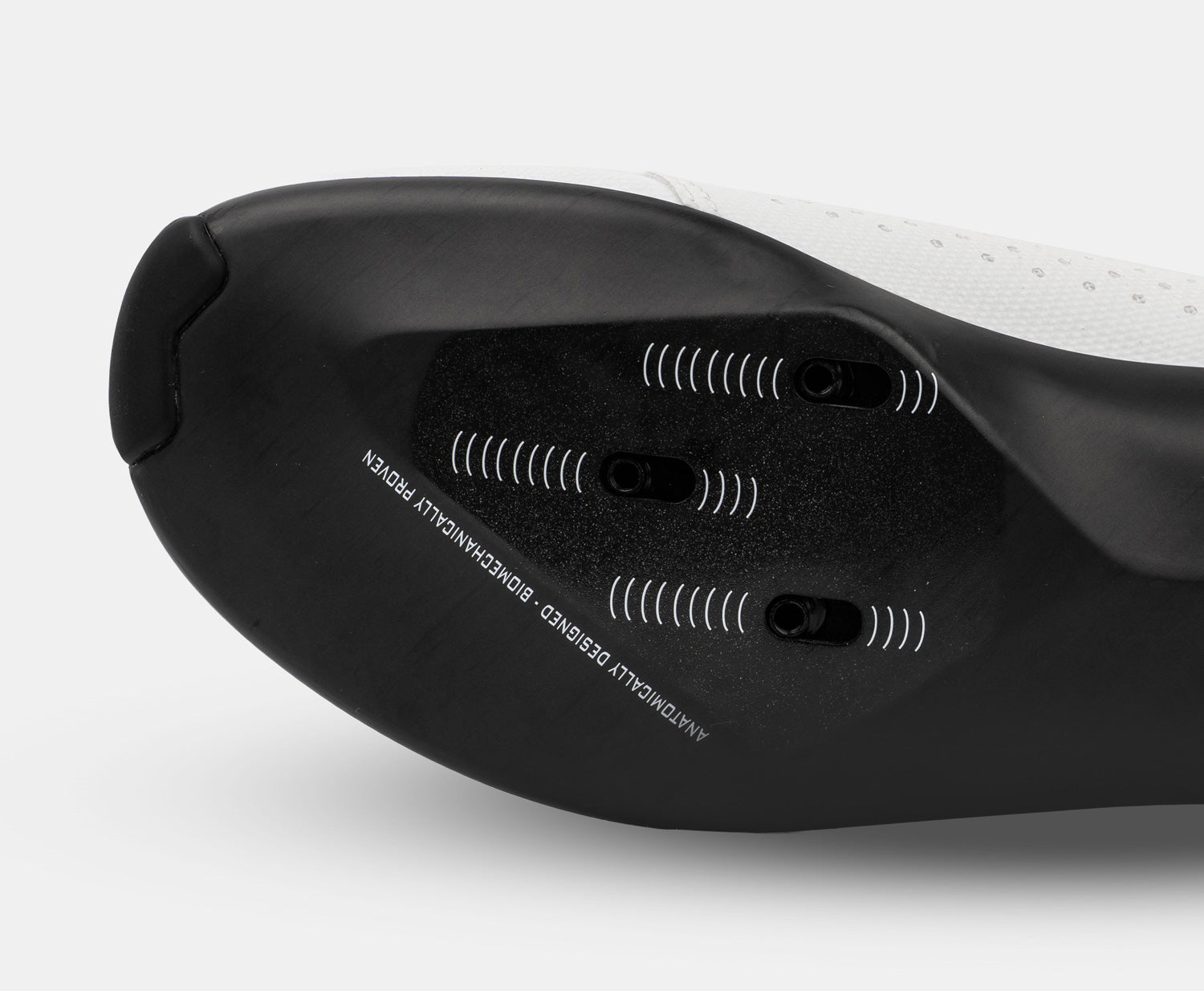
Cleat Position & Fore-Aft Adjustment Philosophy
Extended cleat adjustment allows precise tuning for optimal alignment, comfort, and power transfer upto 15mm of travel. This flexibility reduces joint strain and supports a more efficient pedalling motion.
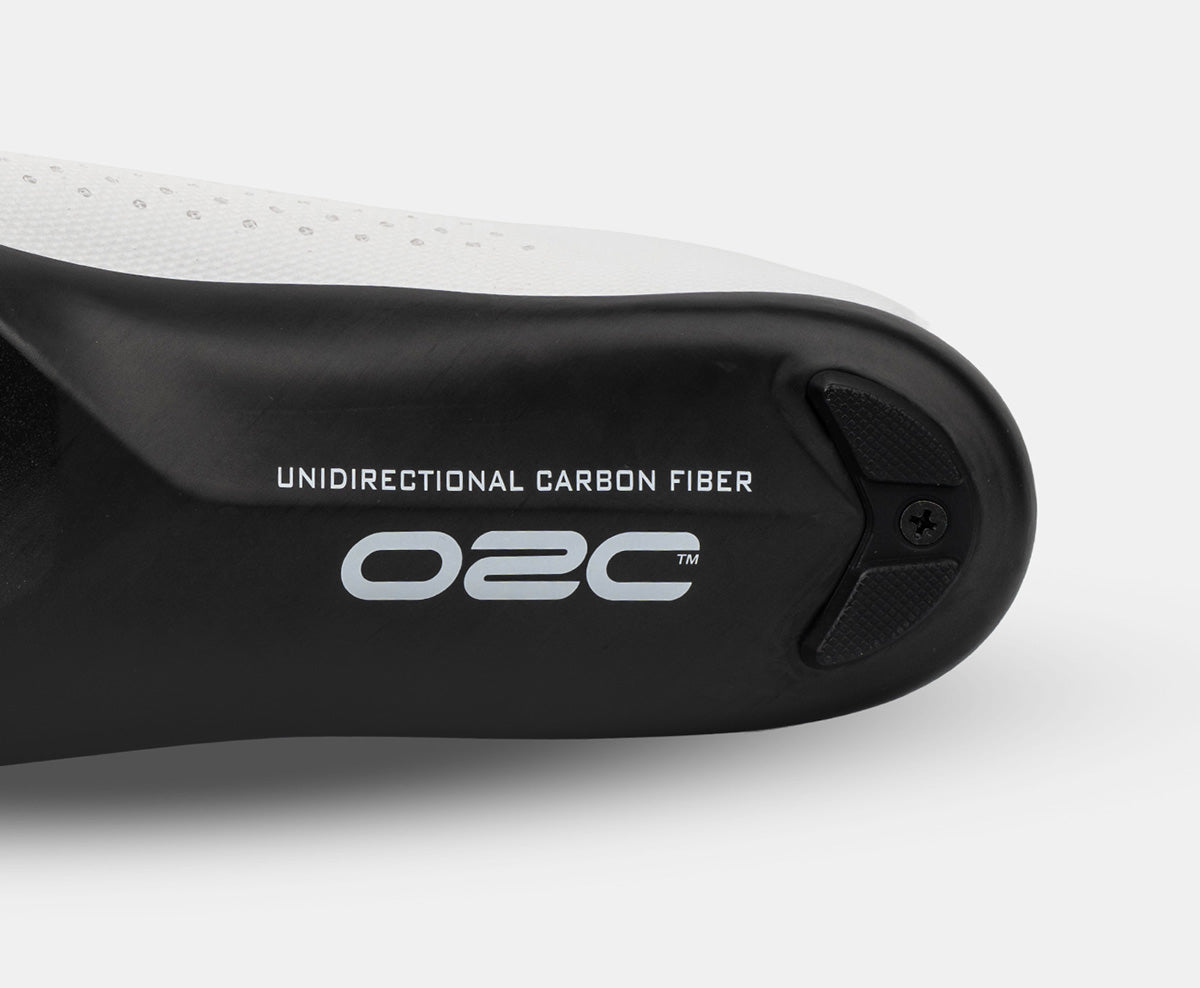
Sole Stiffness & Carbon Layup Engineering
Toray carbon fibres are arranged using precise layup strategies to maximise stiffness-to-weight performance—creating a lightweight, durable sole with consistent power transmission under high-load efforts.
we apply anatomical design principles shaped by our founders years of experience
discover our storyshop our icons